Gettingpregnantimmediatelyafterthechildbirthisnotadvisable.Thereshouldapropergapbetweentwopregnancies.Readontoknowmoreaboutthecausesandrisksassociatedwithgettingpregnantimmediatelyafterchildbirth.Twopregnanciesinquicksuccessionarenotdesirableforthehealthofthemotherandtheunbornbaby.Pregnancyshouldbeperceivedasacomplexconditionwherethefemalebodyadjustsandadaptscontinuouslytoaidthegrowthanddevelopmentoftheembryotofoetustoacompletelygrownbabyreadyforbirth.Intheprocessofpregnancythebodyneedstobearthewearandtearnaturallyassociatedwithchildrearingandchildbirth.Therefore,itisnaturalthatthebodywouldrequireacertainamountoftimetorecuperatefromthechallengeandreturntoitsearlierhealthyandfitstate.Twoyearsisconsideredtotheapproximateperiodthatthebodyneedsforthisrecuperation.Soifanewmotherbecomespregnantagainthatis,beforetwoyearsofthepreviouschildbirth,itisacauseforworry.Notonlyintermsofthewellbeingofthemotherbuttheunbornbabyaswell.InthisarticleWhyDoesitHappen?RisksWhenaNewMotherGetsPregnantWhyDoesitHappen?Therecanbeseveralreasonsthatexplainthissituation.Mostoftenitisthelackofprotectionduringsexualintercoursethatleadstoconsecutivepregnancies.Inothercases,asuddenorunfortunatedeathofthefirstbornmightleadthemotherorthecoupletoconsideranotherpregnancy.Thenagainincertaincases,itisthepressureofbearinganotherchildinthefamilythatleadsawomantogetpregnantwithinaveryshortspan.Whateverbethereason,asexplainedearlier,itisneverdesirabletogetpregnantinquicksuccession.Oftendoctorssuggestagainsttheuseofhormonalcontraceptivesifthemotherisstillbreastfeedingthebaby.Insuchcases,couplesfallbackonnaturalmethodsofcontraceptionlikecalculatingfertiledaysandearlywithdrawal;butitmustberealisedthattheyarenotfoolproof.Therefore,usecondoms,bothmaleandfemalewhenyouhavejustbeguntohaveintercourseafteryourfirstchildbirth.Seektheadviceofyourphysicianonsafeprecautionarymeasures.RisksWhenaNewMotherGetsPregnantAfterchildbirththereproductivesystemgoesthroughalotofwearandtear.Soitneedstimetohealbeforeitisagainreadyforconception.Theliningoftheuteruscomprisesofaverythintissueandpostchildbirth,itbecomesallthemoresensitiveandpronetoinfections.Furtheruterineinfectioncanbetriggeredbysexualintercourse,useoftampons,lubricatedcondoms,orexposuretoanysuchforeignobjects.Thenafterchildbirth,thereisapost-partumdischargeknownasLochia.Thiscomprisesofleftoverplacentaltissuesandwasteblood.Thisdischargeisdarkredincolour.SountilthecolourofLochiachangesfromredtowhite,itindicatesthatthehealingoftheuterusisstillnotcomplete.Thishealingcantakeuptosixtosevenweeks.Besides,duetothesereasonsandthefactthatthevaginaltissuesgothroughalotofwearandtearthatthenewmotherisadvisedtoabstainfromsexforatleastsixweekspostdelivery.Asurgicalincisioncalledepisiotomyisdoneonthevaginalcavitytoaidchildbirth.Thestitchesremainnewandsexualpenetrationcannotonlytearoffthestitchesbuthinderthehealingprocessaswell.Ontheemotionalpart,thenewmotherhasareducedsexdrive,fearofpainfulsexandtheconstantworryconcerningthewellbeingofherbabythatmakesherunpreparedforanotherpregnancyinquicksuccession.Therefore,itisforthegoodofthemother,thebaby,thefamilyonthewholeandtheyettobebornchild,pregnancyshouldbeavoidedinquicksuccession.Afterall,pregnancyandtheentireprocessofgivingbirthisawonderfulexperience.Sowhyhamperthejoyorsmearitwithfearandpain.
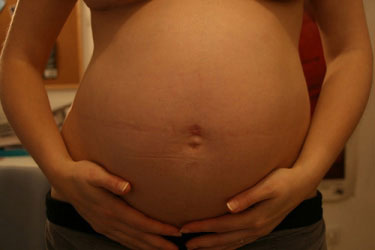
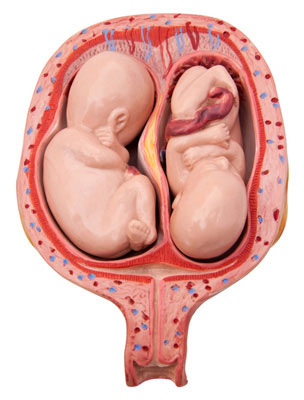
Getting pregnant immediately after the childbirth is not advisable. There should a proper gap between two pregnancies. Read on to know more about the causes and risks associated with getting pregnant immediately after childbirth. Two pregnancies in quick succession are not desirable for the health of the mother and the unborn baby. Pregnancy should be perceived as a complex condition where the female body adjusts and adapts continuously to aid the growth and development of the embryo to foetus to a completely grown baby ready for birth.
In the process of pregnancy the body needs to bear the wear and tear naturally associated with child rearing and childbirth. Therefore, it is natural that the body would require a certain amount of time to recuperate from the challenge and return to its earlier healthy and fit state.
Two years is considered to the approximate period that the body needs for this recuperation. So if a new mother becomes pregnant again that is, before two years of the previous childbirth, it is a cause for worry. Not only in terms of the well being of the mother but the unborn baby as well.
Why Does it Happen?
There can be several reasons that explain this situation. Most often it is the lack of protection during sexual intercourse that leads to consecutive pregnancies. In other cases, a sudden or unfortunate death of the first born might lead the mother or the couple to consider another pregnancy. Then again in certain cases, it is the pressure of bearing another child in the family that leads a woman to get pregnant within a very short span.
Whatever be the reason, as explained earlier, it is never desirable to get pregnant in quick succession. Often doctors suggest against the use of hormonal contraceptives if the mother is still breastfeeding the baby. In such cases, couples fall back on natural methods of contraception like calculating fertile days and early withdrawal; but it must be realised that they are not foolproof. Therefore, use condoms, both male and female when you have just begun to have intercourse after your first childbirth. Seek the advice of your physician on safe precautionary measures.
Risks When a New Mother Gets Pregnant
After childbirth the reproductive system goes through a lot of wear and tear. So it needs time to heal before it is again ready for conception. The lining of the uterus comprises of a very thin tissue and post childbirth, it becomes all the more sensitive and prone to infections. Further uterine infection can be triggered by sexual intercourse, use of tampons, lubricated condoms, or exposure to any such foreign objects.
Then after childbirth, there is a post-partum discharge known as Lochia. This comprises of leftover placental tissues and waste blood. This discharge is dark red in colour. So until the colour of Lochia changes from red to white, it indicates that the healing of the uterus is still not complete. This healing can take up to six to seven weeks.
Besides, due to these reasons and the fact that the vaginal tissues go through a lot of wear and tear that the new mother is advised to abstain from sex for at least six weeks post delivery.
A surgical incision called episiotomy is done on the vaginal cavity to aid childbirth. The stitches remain new and sexual penetration can not only tear off the stitches but hinder the healing process as well. On the emotional part, the new mother has a reduced sex drive, fear of painful sex and the constant worry concerning the well being of her baby that makes her unprepared for another pregnancy in quick succession.
Therefore, it is for the good of the mother, the baby, the family on the whole and the yet to be born child, pregnancy should be avoided in quick succession. After all, pregnancy and the entire process of giving birth is a wonderful experience. So why hamper the joy or smear it with fear and pain.